Category: Blog

Your blog category

  • Where Tradition Meets Modern Creativity: A Treasury of Patterns Now in Digital Form

    Where Tradition Meets Modern Creativity: A Treasury of Patterns Now in Digital Form

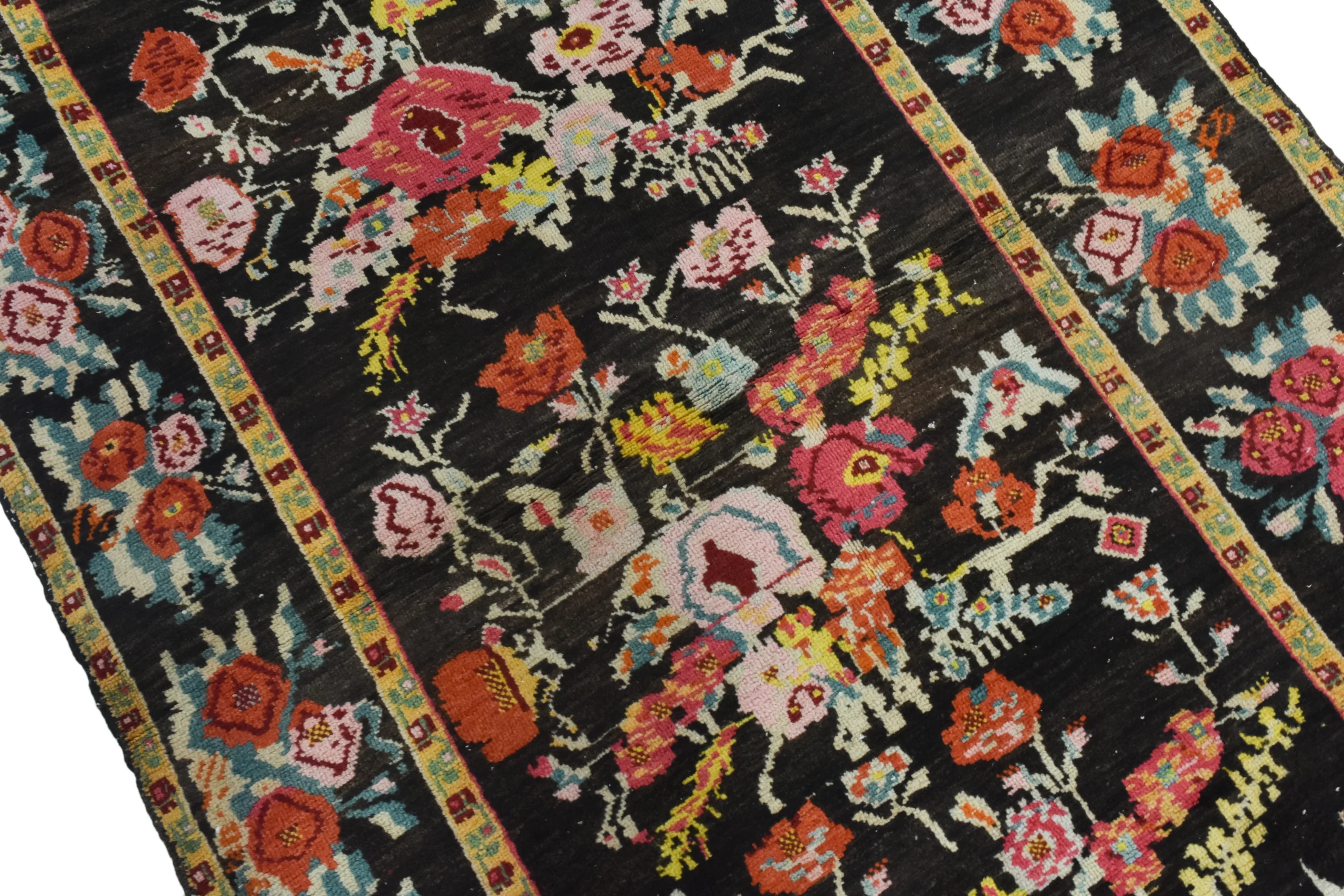
    There is a quiet magic in the knots of an old Turkish rug—each thread a whisper from the hands that wove it decades or even centuries ago. These textiles carry more than beauty; they hold the weight of tradition, the cadence of slow craftsmanship, and the imprint of lives lived around them. Now, for those who wish to study, admire, or work with these pieces from afar, we offer a carefully curated selection of high-resolution digital images, capturing every detail of these woven heirlooms.

    The Legacy Woven Into Each Rug

    What makes these rugs so enduring?

    • The Hands That Made Them: Unlike mass-produced textiles, each vintage Turkish rug bears the subtle irregularities of human touch—slight variations in dye, asymmetries in pattern, and the faint traces of use that speak of its history.
    • The Language of Symbols: From the protective nazar motifs to the geometric rhythms of tribal weavings, these rugs are documents of cultural memory, their designs passed down through generations.
    • The Patina of Time: Sun-faded crimsons, softened blues, and mellowed ivories—these are not flaws, but proof of a life lived. A well-worn rug carries its age with dignity, like the pages of a beloved book.

    Why Digital Images?

    For scholars, designers, and enthusiasts, these images serve as a bridge:

    • For Study & Appreciation: Examine intricate details up close—the way a border motif repeats, the subtle shift in pile height, or the interplay of colors that might escape the naked eye.
    • For Creative Work: Incorporate these patterns into design projects, whether as inspiration for textiles, graphics, or simply as a visual reference for those drawn to historical ornamentation.
    • For Preservation: Some of these rugs are rare; others may one day fade further. These photographs ensure their patterns remain accessible for future generations to study and admire.

    A Thoughtful Approach to the Collection

    The images are not mere product photos. Each is taken with care—neutral lighting to honor true colors, close-ups to show texture, and full views to convey proportion. They are offered not as replacements for the physical rugs, but as companions to them: a way to look closer, to linger over details, and to appreciate the work even from a distance.

    For those who have always wanted to explore these rugs beyond the constraints of geography or budget, this is an invitation. Download, zoom in, and take your time. There is much to see.

  • Vintage Rugs in Modern Decor: Nostalgia Meets Elegance

    Vintage Rugs in Modern Decor: Nostalgia Meets Elegance

    In the world of interior design, vintage rugs have emerged as a timeless trend that bridges the gap between the past and the present. These unique pieces, with their rich histories and intricate designs, bring warmth, character, and a touch of nostalgia to modern spaces. Whether you’re a fan of minimalist aesthetics or bold, eclectic styles, vintage rugs can seamlessly integrate into any decor. Let’s explore how these treasures from the past are making a statement in contemporary homes.


    Why Vintage Rugs Are Perfect for Modern Decor

    1. A Touch of History in a Contemporary Space
      Vintage rugs, often decades or even a century old, carry a sense of history that new rugs simply cannot replicate. Their faded colors, subtle wear, and unique imperfections tell a story, adding depth and soul to modern interiors. In a world dominated by mass-produced items, a vintage rug is a breath of fresh air.
    2. Versatility in Design
      One of the most remarkable qualities of vintage rugs is their ability to complement a wide range of design styles. Whether your home features sleek, modern furniture or a more bohemian vibe, a vintage rug can tie the room together. Their timeless patterns—geometric, floral, or tribal—work beautifully in both neutral and colorful settings.
    3. Sustainability and Eco-Friendliness
      In an era where sustainability is a growing concern, vintage rugs are an eco-conscious choice. By repurposing these handcrafted pieces, you’re not only preserving artisanal traditions but also reducing waste. It’s a win-win for both your home and the planet.

    How to Style Vintage Rugs in Modern Spaces

    1. Centerpiece of the Room
      A vintage rug can serve as the focal point of a living room, dining area, or bedroom. Choose a rug with bold patterns or vibrant colors to anchor the space and draw the eye. Pair it with neutral furniture to let the rug shine.
    2. Layering for Texture and Depth
      Layering a vintage rug over a larger, neutral rug is a popular trend in modern decor. This technique adds texture and dimension to the room while allowing the vintage piece to stand out. For example, a small Persian rug layered over a jute or sisal rug creates a striking contrast.
    3. Mixing Patterns and Eras
      Don’t be afraid to mix and match! Vintage rugs can coexist with modern patterns and prints. The key is to balance the elements—pair a busy rug with solid-colored furniture or vice versa. This eclectic approach adds personality and visual interest to your space.
    4. Unexpected Places
      Vintage rugs aren’t just for floors. Hang them on walls as art pieces, drape them over furniture, or use them as table runners. These creative uses highlight the rug’s design and make it a conversation starter.

    Choosing the Right Vintage Rug for Your Home

    1. Consider the Color Palette
      Look for a rug that complements your existing decor. Vintage rugs often feature muted, earthy tones, but you can also find pieces with bold reds, blues, or yellows. Choose colors that harmonize with your furniture, walls, and accessories.
    2. Pay Attention to Size and Shape
      Measure your space before purchasing a rug. A large vintage rug can define a seating area, while a smaller one can add charm to a hallway or entryway. Don’t shy away from unconventional shapes—round or oval rugs can soften the lines of a modern room.
    3. Embrace Imperfections
      The beauty of vintage rugs lies in their imperfections. Faded colors, slight wear, and repairs are part of their charm. These flaws tell the story of the rug’s journey and add authenticity to your decor.

    Caring for Your Vintage Rug

    To ensure your vintage rug remains a cherished part of your home for years to come, follow these care tips:

    • Regular Cleaning: Vacuum gently and rotate the rug periodically to prevent uneven wear.
    • Professional Cleaning: Have your rug professionally cleaned every few years to maintain its beauty.
    • Avoid Direct Sunlight: Prolonged exposure to sunlight can cause fading. Use curtains or blinds to protect your rug.
    • Use a Rug Pad: A pad underneath the rug prevents slipping and adds cushioning.

    The Timeless Appeal of Vintage Rugs

    Vintage rugs are more than just decorative items—they are pieces of art that connect us to the past. Their ability to blend seamlessly into modern decor is a testament to their enduring appeal. Whether you’re drawn to the intricate patterns of a Turkish kilim or the soft hues of a Persian carpet, a vintage rug can transform your home into a space that’s both stylish and meaningful.

    So, the next time you’re redecorating, consider adding a vintage rug to your design scheme. It’s not just a purchase; it’s an investment in history, craftsmanship, and timeless beauty.

  • The Hunt for Antique Rugs: Where to Find Them and How to Choose the Perfect One

    The Hunt for Antique Rugs: Where to Find Them and How to Choose the Perfect One

    Antique rugs are more than just floor coverings; they are woven pieces of history, art, and culture. Each thread tells a story, and each knot carries the legacy of the hands that crafted it. For collectors, interior designers, and enthusiasts, the hunt for antique rugs is an exciting journey filled with discovery and appreciation for craftsmanship. But where can you find these timeless treasures, and how do you choose the right one? Let’s dive into the world of antique rugs and uncover the secrets to a successful hunt.


    Where to Find Antique Rugs

    1. Auction Houses and Estate Sales
      Auction houses are a treasure trove for antique rugs. Renowned auction houses like Sotheby’s, Christie’s, and Bonhams often feature rare and high-quality pieces. Estate sales, especially in historic homes, can also yield unexpected finds. These venues are ideal for discovering rugs with provenance and unique stories.
    2. Specialized Rug Dealers and Galleries
      Reputable rug dealers and galleries are excellent sources for authentic antique rugs. These experts often have curated collections and can provide detailed information about the rug’s origin, age, and craftsmanship. Building a relationship with a trusted dealer can be invaluable for both novice and experienced collectors.
    3. Antique Markets and Fairs
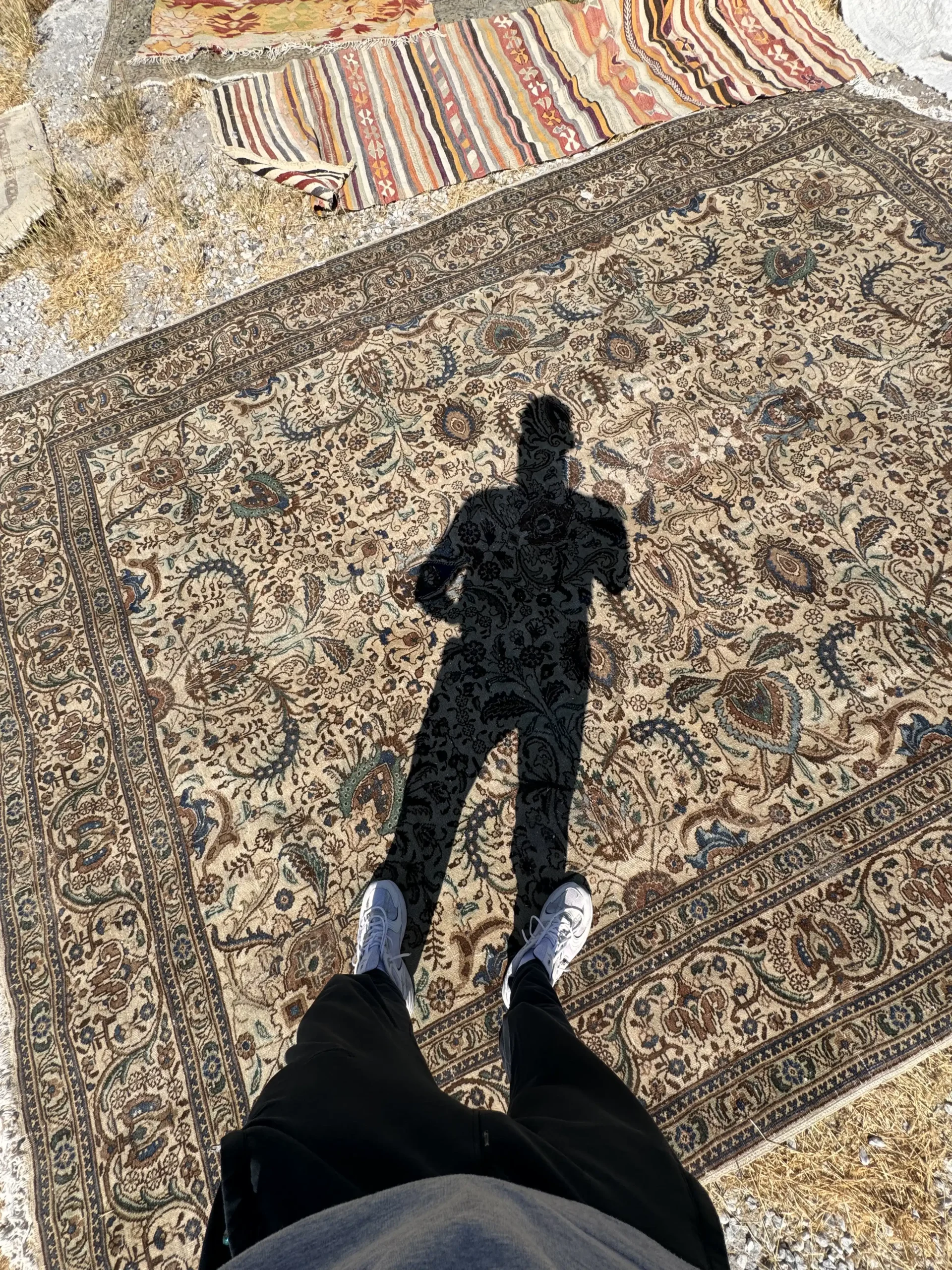
      Antique markets and fairs, such as the famous Grand Bazaar in Istanbul or the Brimfield Antique Show in the U.S., are perfect for hands-on exploration. These events bring together vendors from around the world, offering a wide variety of rugs to suit different tastes and budgets.
    4. Online Platforms
      The digital age has made it easier than ever to find antique rugs. Websites like 1stDibs, Etsy, and even eBay feature listings from sellers worldwide. However, buying online requires caution—always ask for detailed photos, provenance, and condition reports before making a purchase.
    5. Travel to Source Countries
      For the adventurous collector, traveling to countries like Turkey, Iran, Morocco, or India can be a rewarding experience. Visiting local bazaars and workshops allows you to see rugs in their cultural context and often negotiate directly with weavers or sellers.

    How to Choose the Perfect Antique Rug

    1. Understand the Basics of Rug Identification
      Before diving into the hunt, familiarize yourself with key aspects of antique rugs:
    • Origin: Turkish, Persian, Caucasian, or tribal rugs each have distinct characteristics.
    • Age: True antique rugs are typically over 100 years old, while vintage rugs are at least 50 years old.
    • Materials: Look for natural fibers like wool, silk, or cotton.
    • Knot Density: Higher knot counts often indicate finer craftsmanship.
    1. Examine the Condition
      Antique rugs will naturally show signs of wear, but excessive damage can affect their value and usability. Check for:
    • Fading or discoloration
    • Holes, tears, or weak areas
    • Repairs or restorations (some are acceptable, but they should be professionally done)
    1. Appreciate the Design and Motifs
      The beauty of antique rugs lies in their intricate designs and symbolic motifs. Look for patterns that resonate with you, whether it’s floral Persian medallions, geometric Caucasian designs, or tribal symbols. Each motif carries cultural significance, adding depth to the rug’s story.
    2. Consider Size and Functionality
      Think about where the rug will be placed in your home. Measure the space and choose a size that complements the room. Antique rugs can serve as statement pieces in living rooms, cozy accents in bedrooms, or even wall hangings for artistic display.
    3. Trust Your Instincts
      While technical details are important, the emotional connection you feel with a rug is equally valuable. If a rug speaks to you and fits your vision, it’s likely the right choice.

    Tips for a Successful Hunt

    • Do Your Research: Learn about different rug styles, regions, and eras to make informed decisions.
    • Set a Budget: Antique rugs can range from affordable to highly expensive. Determine your budget beforehand to avoid overspending.
    • Ask Questions: Don’t hesitate to ask sellers about the rug’s history, materials, and condition. A reputable seller will be transparent and knowledgeable.
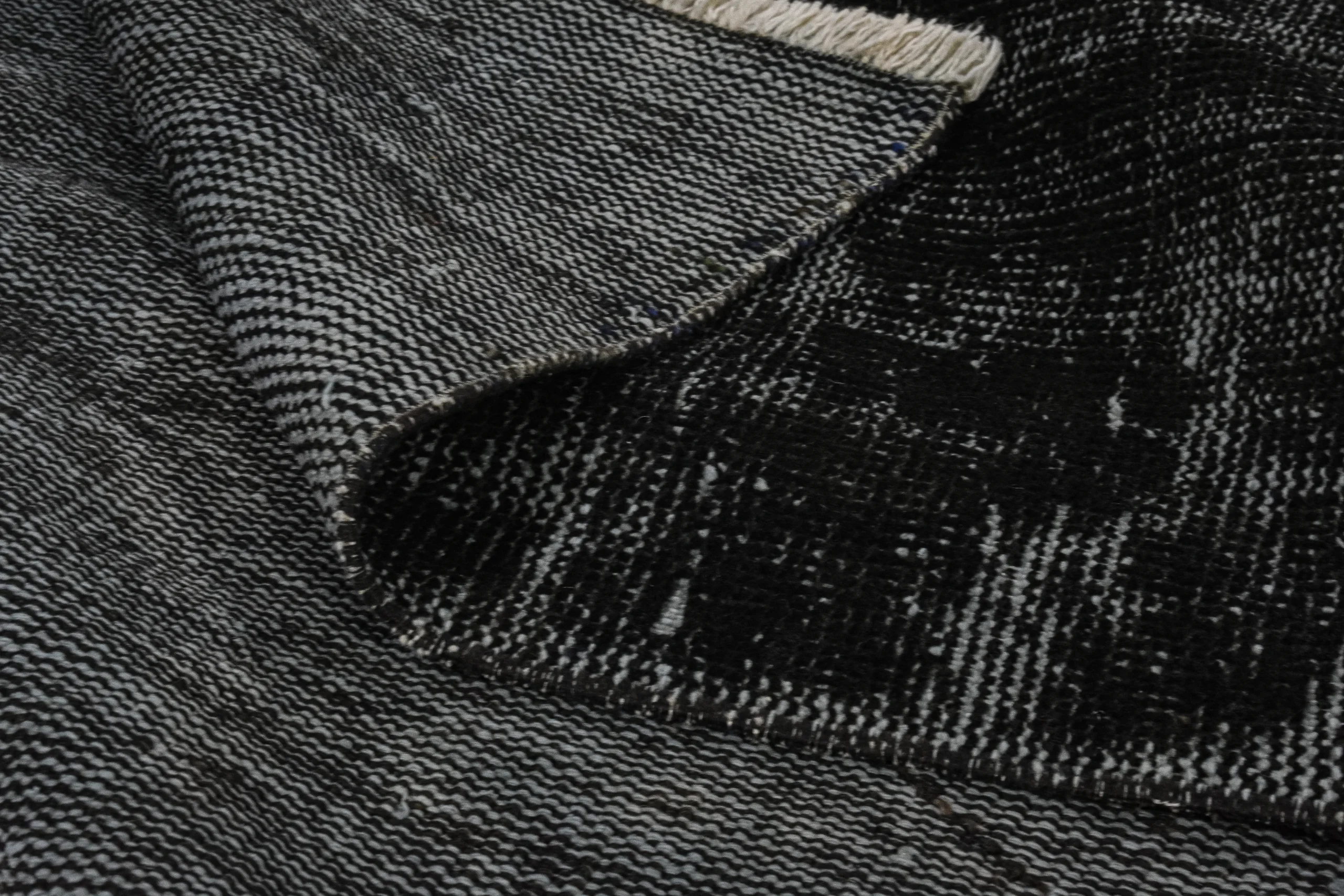
    • Inspect Thoroughly: If possible, examine the rug in person. Feel the texture, check the back for knot consistency, and look for signs of authenticity.

    Why Antique Rugs Are Worth the Effort

    Antique rugs are more than just decorative items—they are investments in art and history. Their timeless beauty and craftsmanship make them heirlooms that can be passed down through generations. Whether you’re drawn to the rich colors of a Persian rug or the bold patterns of a Turkish kilim, owning an antique rug is like owning a piece of the past.

    So, embark on your hunt with curiosity and patience. The perfect antique rug is out there, waiting to tell its story in your home. Happy hunting!

  • Demirci Rugs: A Timeless Treasure of Turkish Weaving

    Demirci Rugs: A Timeless Treasure of Turkish Weaving

    Turkish rugs have long been celebrated for their intricate craftsmanship and cultural significance. Among these, Demirci rugs, woven in the Demirci district of Manisa, Turkey, hold a special place due to their durability, vibrant colors, and rich history. These handcrafted rugs are not only a part of Turkey’s textile heritage but also a sought-after choice for collectors and home decorators worldwide.

    What is a Demirci Rug?

    A Demirci rug is a traditional handwoven rug produced in Demirci, a district in the Manisa province of western Turkey. These rugs are crafted using the Turkish (Gördes) knot technique and are typically made of wool on wool or sometimes wool on cotton materials.

    Characteristics of Demirci Rugs:

    1. Durability: They are tightly knotted and woven with a strong structure, making them long-lasting.
    2. Vibrant Colors: Naturally dyed using plant-based dyes, featuring rich shades of red, navy blue, green, and yellow.
    3. Patterns: Inspired by Ottoman and Seljuk motifs, incorporating geometric patterns, floral designs, and medallions.
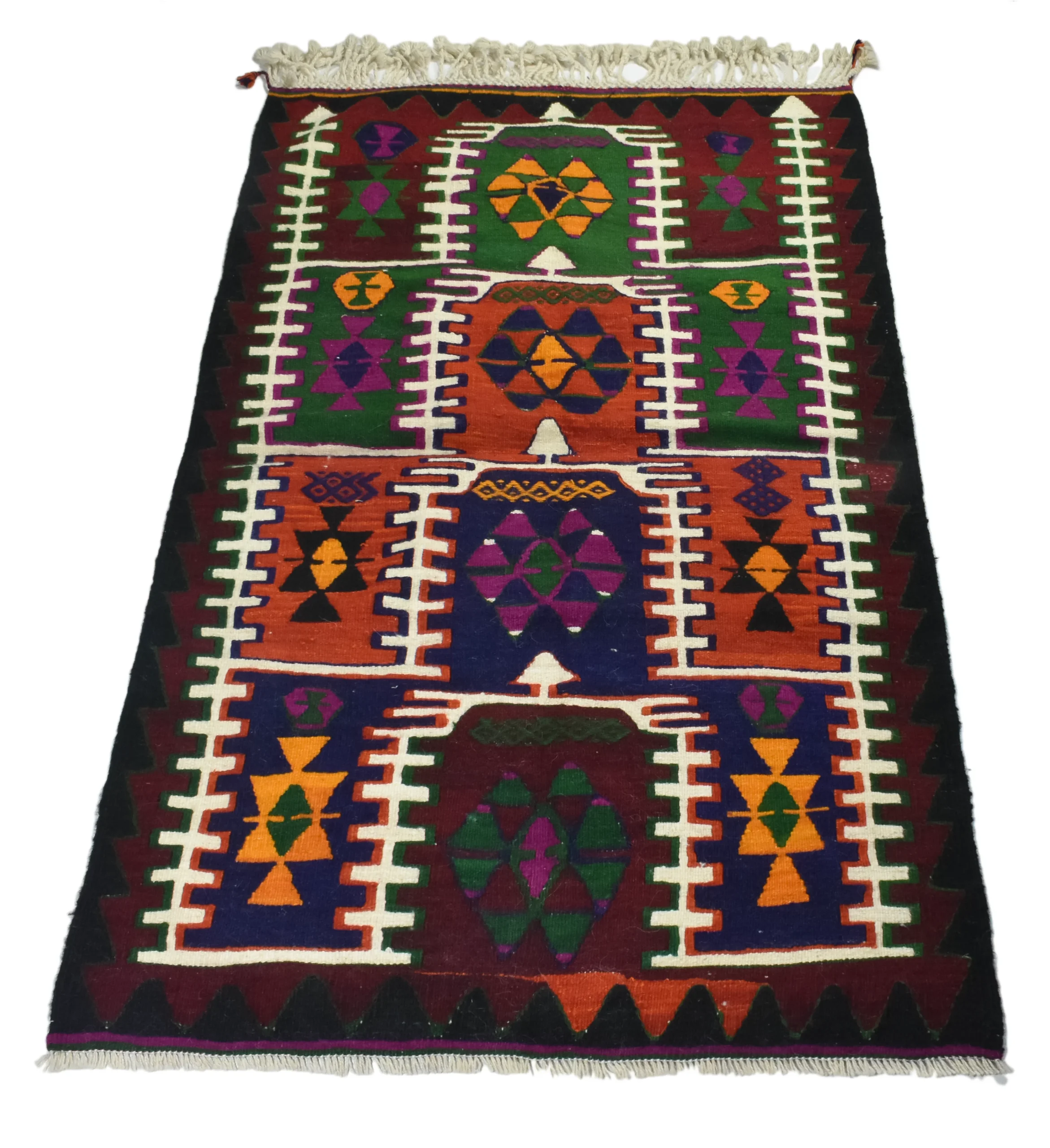
    4. Sizes: Mostly produced in small to medium sizes, commonly used as prayer rugs (seccade) and runners (yolluk).
    5. Natural Dyes: The use of traditional natural dyes results in colors that age gracefully over time, enhancing their beauty.

    Demirci rugs share similarities with Uşak, Kula, and Gördes rugs, yet they are distinct due to their denser knotting and unique patterns. These rugs hold an important place in traditional Turkish rug weaving and are highly valued for both collecting and decorative purposes.

    A Glimpse into Demirci’s Rug Weaving Tradition

    The art of rug weaving in Demirci dates back centuries, with influences from Ottoman and Seljuk designs. This town has been a hub for skilled artisans who have passed down their knowledge through generations. Unlike mass-produced rugs, Demirci rugs are meticulously handwoven using the Turkish (Gördes) knot, a double-loop knotting technique that enhances their strength and longevity.

    Key Features of Demirci Rugs

    1. High-Quality Materials

    Demirci rugs are traditionally made from hand-spun wool on a wool or cotton foundation. Wool, known for its resilience and softness, ensures that these rugs maintain their structure and beauty for decades.

    2. Rich and Natural Colors

    One of the standout features of Demirci rugs is their vibrant color palette, achieved through natural dyes derived from plants, roots, and insects. These dyes not only provide stunning hues but also allow the colors to develop a rich patina over time. Common shades include deep reds, blues, greens, and warm earth tones.

    3. Unique Patterns and Motifs

    The motifs in Demirci rugs are a reflection of Anatolian culture and symbolism. Some frequently seen patterns include:

    • Geometric shapes and medallions – representing unity and balance
    • Floral motifs – symbolizing nature and fertility
    • Star and cross patterns – often linked to ancient Seljuk influences

    Each rug tells a story, making it a meaningful addition to any home.

    4. Versatile Sizes and Uses

    Demirci rugs come in various sizes, with prayer rugs (seccade) and runners (yolluk) being the most common. Their small-to-medium dimensions make them ideal for entryways, living rooms, and bedrooms, adding warmth and character to any space.

    Why Choose a Demirci Rug?

    1. Exceptional Durability

    Due to their high knot density and robust weaving techniques, Demirci rugs are built to withstand years of use, making them a valuable investment.

    2. Timeless Aesthetic

    The combination of traditional patterns and naturally aged colors gives these rugs an enduring charm, blending well with both modern and classic interiors.

    3. Handmade Authenticity

    Each Demirci rug is one of a kind, woven with patience and skill by artisans who uphold Turkey’s rich textile heritage. Owning one means supporting traditional craftsmanship and preserving cultural history.

    Final Thoughts

    Whether you are a rug collector, an interior design enthusiast, or simply someone who appreciates fine craftsmanship, a Demirci rug is a worthwhile addition to your space. With its rich heritage, beautiful designs, and long-lasting quality, this Turkish masterpiece is more than just a floor covering—it’s a piece of art that carries centuries of tradition.

    If you are looking for an authentic vintage Turkish rug, consider exploring a selection of handwoven Demirci rugs to bring timeless beauty into your home.

  • The Essence of Prayer Rugs: A Timeless Tradition

    The Essence of Prayer Rugs: A Timeless Tradition

    Prayer rugs, or seccades, are more than just functional textiles. They are deeply symbolic artifacts that carry centuries of religious, cultural, and artistic significance. Rooted in Islamic tradition, the prayer rug is a sacred space, a personal sanctuary, and a link between the earthly and the divine. But beyond its primary function, the seccade tells a story of craftsmanship, cultural diversity, and spiritual connection.

    A Bridge Between Heaven and Earth

    At its heart, the prayer rug serves as a physical and symbolic medium that connects the worshiper to the divine. For Muslims, it marks a clean and designated space for prayer, embodying purity and reverence. Each rug often features a central mihrab, a pointed arch design that symbolizes the niche in a mosque indicating the direction of the Kaaba in Mecca. This architectural motif reminds the user of their orientation towards God during their prayers.

    The act of laying down a seccade is itself an act of mindfulness. Whether performed in the quietude of one’s home, in a bustling mosque, or in an open field, spreading the rug establishes a sacred boundary, isolating the worshiper from the distractions of the material world.

    The Craft of Devotion

    The making of a prayer rug is a labor of love and skill. From the hand-spun threads to the intricate patterns woven into its fabric, every detail reflects a blend of tradition and artistry. Regions renowned for their rug-making traditions, such as Turkey, Persia, and Central Asia, have developed distinct styles over centuries, each reflecting the local culture and environment.

    In Turkish prayer rugs, for instance, the designs are often vibrant and symmetrical, with floral motifs and geometric patterns interwoven to create a harmonious aesthetic. The use of natural dyes, derived from plants, roots, and insects, imbues the textiles with rich, earthy tones. These colors not only enhance the rug’s visual appeal but also carry symbolic meanings, with each hue representing different virtues or elements of faith.

    The tactile quality of a seccade is equally important. Wool, silk, or cotton may be used, depending on the intended purpose and the status of the owner. Silk rugs, with their fine texture and luminous sheen, were historically reserved for royalty or special occasions, while wool rugs, durable and warm, were ideal for everyday use.

    Beyond Ritual: A Cultural Artifact

    While prayer rugs are inherently tied to Islamic practice, their influence transcends religious boundaries. They are cherished as cultural artifacts, celebrated for their artistic and historical value. Antique seccades often become family heirlooms, passed down through generations as symbols of continuity and faith.

    In museums and private collections, prayer rugs are admired not only for their beauty but also for the stories they tell. Each rug is a historical document, bearing witness to the influences of trade, migration, and cultural exchange. The patterns and techniques used in a rug can reveal much about the region and period in which it was made, offering insights into the lives and beliefs of its makers.

    The Spiritual and the Personal

    Perhaps what makes the seccade most profound is its personal significance. For many, it is not merely an object but a companion in their spiritual journey. The time spent in prayer, kneeling on the rug, imprints memories and emotions onto its fabric. It becomes a witness to moments of gratitude, supplication, and introspection.

    Even beyond the realm of faith, the prayer rug holds a universal appeal. Its intricate designs and fine craftsmanship resonate with those who appreciate beauty and tradition. In modern homes, seccades are sometimes used as decorative elements, bridging the gap between functional art and spiritual heritage.

    A Testament to Endurance

    In a world where mass production often overshadows traditional craftsmanship, the prayer rug stands as a testament to the enduring value of authenticity. Its intricate designs and painstaking creation remind us of the human capacity for patience and devotion—qualities mirrored in the very act of prayer.

    The seccade’s timeless appeal lies in its ability to blend the sacred with the artistic, the personal with the universal. It is a reminder that even in the simplest of acts—laying down a rug, facing a direction, bowing in prayer—there is profound beauty and meaning to be found.

    As both a spiritual tool and a cultural treasure, the prayer rug continues to inspire awe and reverence, connecting generations and transcending borders.

  • The Impact of Rugs and Kilims on Room Atmosphere: The Psychological Effects of Color and Patterns

    Vintage rugs hold stories within their threads. Handwoven with care, each piece whispers tales of its journey through time. Turkish kilims, renowned for their vivid colors and intricate patterns, transcend their role as mere floor coverings to become vibrant canvases of tradition, belief, and cultural heritage. These rugs, woven by the nomadic tribes of Anatolia, carry a symbolic language—a visual storytelling tradition preserved across generations. Every motif and color reflects life, protection, and the forces of nature, offering a unique glimpse into a world where art, history, and spirituality converge.

    Kilims communicate through a sophisticated language of symbols. Take the Tree of Life motif, for instance: it represents growth, fertility, and a sacred connection between heaven and earth. Similarly, the Eye is a powerful emblem designed to ward off evil spirits and protect both the weaver and the home. Geometric shapes such as squares evoke stability and grounding, while triangles symbolize mountains and aspirations. Animal motifs like birds signify freedom and journeys, while horses represent strength and speed. Even natural elements like the sun, moon, and stars find their place, symbolizing cosmic forces and the rhythms of nature. These motifs are not mere decorations but meaningful emblems that imbue each kilim with cultural and spiritual depth.

    The colors in kilims are equally significant. Red conveys life, love, passion, and courage, while blue embodies the infinity of the sky and water, offering tranquility and protection. Green symbolizes growth, fertility, and hope, while black, often seen as mysterious, also serves as a protective hue. The thoughtful selection of these colors reflects the emotional and spiritual world of the weaver, breathing life into each design.

    Regional variations in kilim designs add another layer of richness. Kilims from the Anatolian Plateau are characterized by bold, geometric patterns that echo the rugged landscape and nomadic lifestyle. In contrast, Black Sea Region kilims feature softer, floral motifs inspired by lush greenery, while Aegean kilims are distinguished by intricate, curvilinear designs influenced by classical art. Each kilim embodies the unique identity of its region, offering a tangible connection to its cultural roots.

    The tradition of kilim weaving dates back over 8,000 years, originating with nomadic tribes who crafted these textiles for practical and ceremonial purposes. Early kilims served as tent coverings, floor mats, and saddlebags, while also expressing the cultural values and artistry of their makers. The Silk Road played a pivotal role in spreading weaving techniques, blending diverse influences across regions. Over time, kilims evolved into prized artistic and cultural artifacts. A bride’s kilim, for example, often featured motifs symbolizing protection, fertility, and good fortune, weaving personal significance into the fabric.

    The process of crafting a kilim is an art form in itself. Woven on a loom, these flat-woven rugs are made using materials like wool, cotton, and silk, with natural dyes sourced from plants, insects, and minerals. The dyeing process, using substances such as indigo, madder root, and pomegranate skins, adds depth and vibrancy to the colors. Despite the rise of machine-made textiles during the industrial revolution, the demand for handwoven kilims remains strong, as collectors and enthusiasts value their artistry and historical significance.

    Owning a kilim means preserving a piece of history. Proper care is essential to maintain its beauty and longevity. Regular cleaning with a vacuum (without rotating brushes) and gentle hand washing with mild detergent can help prevent wear. Protect kilims from direct sunlight to avoid fading, and handle spills by blotting immediately. When not in use, roll kilims instead of folding them, and store them in a cool, dry place with cedar blocks or mothballs to deter pests.

    For collectors, authenticity is key. Handwoven kilims often feature subtle imperfections that enhance their uniqueness, unlike the uniformity of machine-made versions. Antique kilims, typically over 100 years old, are highly valued for their rarity and natural dye–infused colors. To ensure the provenance and quality of a piece, it’s important to buy from reputable dealers.

    Beyond their traditional context, kilim motifs have found a place in modern design, from interior decor to fashion. A kilim rug can add warmth and texture to minimalist spaces or blend seamlessly into eclectic designs. Kilim patterns also inspire clothing, bags, and accessories, bridging ancient traditions with contemporary style. The enduring appeal of these motifs lies in their ability to tell stories and connect us to a heritage that values craftsmanship and sustainability.

    Whether displayed in a home or worn as a fashion statement, kilims continue to captivate with their intricate patterns and deep symbolism. Caring for and appreciating these textiles allows us to honor the rich traditions they represent, ensuring that the art of kilim weaving remains vibrant and cherished for generations to come.

  • Why Handmade Rugs and Kilims Are More Valuable

    In an era where mass production dominates many industries, handmade rugs and kilims hold a special place, celebrated for their craftsmanship, cultural significance, and intricate beauty. Unlike machine-made products, handmade pieces are unique, often created using techniques passed down through generations. But why are handmade rugs more valuable, and how can you distinguish them from machine-made versions? This article explores the reasons behind their enduring worth and offers tips on identifying these treasures.

    Why Handmade Rugs and Kilims Are More Valuable

    1. Artisan Craftsmanship Handmade rugs are the result of skilled artisans who have often dedicated years to mastering their craft. Whether they use traditional knotting methods like the Turkish double knot or Persian knot, each rug requires careful precision, artistic vision, and manual labor. This level of craftsmanship is what makes handmade rugs stand out from mass-produced, machine-made alternatives, which lack the artistry and personal touch of hand-woven textiles.
    2. Time and Effort The creation of a handmade rug is a time-intensive process. A medium-sized rug can take weeks or even months to complete. Each knot is individually tied by hand, and more complex designs require even more time and attention to detail. Machine-made rugs, in contrast, can be produced quickly and in large quantities, lacking the same level of intricacy and dedication.
    3. High-Quality Materials Handmade rugs and kilims are typically made from natural fibers like wool, silk, or cotton. These materials are known for their durability, warmth, and softness. They also age gracefully, with colors and textures becoming richer over time. The dyes used are often derived from natural sources like plants and minerals, providing vibrant hues that don’t fade easily. Machine-made rugs often use synthetic materials and chemical dyes, which may degrade faster and have a less luxurious feel.
    4. Cultural and Artistic Value Each handmade rug tells a story, reflecting the cultural heritage of the region in which it was made. Whether it’s the geometric patterns of Turkish kilims or the floral motifs of Persian carpets, the designs carry deep meanings, often tied to local beliefs, myths, and traditions. Owning a handmade rug is like owning a piece of history, a reminder of the artisan’s cultural legacy. Machine-made rugs, on the other hand, are often produced with generic designs, lacking this rich cultural context.
    5. Durability and Longevity Handmade rugs are known for their durability. The hand-knotting technique creates a dense, tight weave that can withstand years of use. Many handmade rugs, if properly cared for, can last for decades, even centuries. Their longevity means they can be passed down through generations, becoming family heirlooms. This durability is another reason they are seen as an investment, in contrast to machine-made rugs, which may wear out or fade much faster.

    How to Identify a Handmade Rug or Kilim

    1. Examine the Back of the Rug One of the easiest ways to tell if a rug is handmade is to look at its back. In a handmade rug, the knots will be slightly uneven, and the design will be visible on both sides, although it may be less detailed on the reverse. The back of a machine-made rug, however, often has a more uniform appearance, with perfectly aligned stitches or a synthetic backing that hides the knots.
    2. Look at the Fringes In handmade rugs, the fringe is not an added element but a natural extension of the warp threads (the foundation of the rug). The fringe will often look hand-knotted and irregular. In machine-made rugs, the fringe is typically sewn or glued on as a decorative feature after the rug is completed, and it will appear more uniform and less integral to the structure.
    3. Feel the Texture Handmade rugs, crafted from natural materials, have a rich, varied texture. You’ll feel the individual knots, and the surface may have slight irregularities, which are signs of hand-weaving. Machine-made rugs, especially those made with synthetic fibers, tend to feel smoother and more uniform to the touch, lacking the depth and texture of a handmade rug.
    4. Check for Imperfections Handmade rugs are often slightly imperfect due to their manual construction. These imperfections might include irregularities in the pattern or variations in knot size. Rather than being seen as flaws, these imperfections are actually what give handmade rugs their unique charm and authenticity. Machine-made rugs, on the other hand, will have precise, flawless patterns that may look too perfect.
    5. Test the Rug’s Flexibility Handmade rugs are usually more flexible than machine-made ones because they are woven using natural fibers and hand-knotting techniques. If you fold or bend a handmade rug, it will feel pliable and will fold easily. Machine-made rugs, particularly those with synthetic backings, tend to be stiffer and less flexible.
    6. Price and Authenticity Handmade rugs are typically more expensive than machine-made rugs, given the time, materials, and skill involved in their creation. If a rug is priced very cheaply but claims to be handmade, it’s wise to be cautious. While price alone isn’t always a reliable indicator, genuine handmade rugs are rarely sold at low prices unless heavily discounted or sold second-hand. Always research the source and seller when buying handmade rugs to ensure authenticity.

    Conclusion: The Timeless Value of Handmade Rugs

    Handmade rugs and kilims represent more than just floor coverings; they are living pieces of art, history, and culture. Their value stems not only from the time, effort, and skill involved in their creation but also from their durability, beauty, and connection to a cultural heritage. These rugs are investments, capable of lasting for generations and providing a sense of timelessness and uniqueness to any space.

    Understanding how to identify a handmade rug empowers buyers to appreciate the artistry behind these masterpieces, ensuring they select pieces that not only enhance their homes but also honor the craftspeople who made them. In a world of mass production, handmade rugs and kilims stand out as symbols of enduring craftsmanship and artistic legacy.

  • The Value of Handmade Rugs and Kilims: Why They Are Priceless and How to Identify Them

    In a world increasingly dominated by mass-produced goods, handmade rugs and kilims hold a special place as symbols of craftsmanship, tradition, and artistry. These unique pieces are often considered investments, cherished for their intricate designs, durability, and cultural heritage. But why are handmade rugs more valuable than their machine-made counterparts, and how can you distinguish between them? This blog explores the reasons behind the enduring appeal of handmade rugs and kilims, and offers tips for identifying these treasured pieces.

    The Value of Handmade Rugs: More than Just a Floor Covering

    Handmade rugs and kilims have been woven by artisans for centuries, with techniques passed down through generations. Unlike machine-made rugs, which are mass-produced to meet demand, each handmade piece is a labor of love, taking weeks or even months to complete. Several factors contribute to the higher value of handmade rugs, including the skill involved, the time required to produce them, and the materials used.

    1. Craftsmanship and Skill
      The process of making a handmade rug or kilim requires a high level of expertise, often developed over many years. Artisans use traditional techniques that have been refined over centuries, such as the Persian knot or the Turkish double knot, to create intricate and durable designs. Each knot is tied by hand, and the precision required to maintain the pattern and symmetry is a testament to the weaver’s skill. This level of craftsmanship is what makes handmade rugs stand out from machine-made alternatives, which lack the subtle imperfections and personal touches that give a rug its character.
    2. Time-Intensive Process
      The creation of a handmade rug or kilim is an incredibly time-consuming process. A skilled weaver can produce anywhere from 10,000 to 14,000 knots per day, and a large rug may contain millions of knots. This means that a single rug can take months, or even years, to complete, depending on its size and complexity. This time investment is a key reason why handmade rugs are more expensive than machine-made versions, which can be produced in a fraction of the time.
    3. High-Quality Materials
      Handmade rugs are typically made from natural materials such as wool, silk, or cotton, which not only contribute to their longevity but also give them a rich texture and vibrant colors. Wool, in particular, is prized for its durability and softness, while silk is used in more luxurious rugs for its sheen and fine detail. The dyes used in handmade rugs are often derived from natural sources such as plants and minerals, which create rich, lasting colors that age beautifully over time. Machine-made rugs, on the other hand, are often produced using synthetic fibers and chemical dyes, which can fade and degrade more quickly.
    4. Cultural and Artistic Value
      Handmade rugs and kilims are not just functional items; they are also works of art that reflect the cultural heritage of the regions in which they are made. Each rug tells a story, whether through the symbols woven into its design, the colors chosen, or the techniques used. For example, Persian rugs are often decorated with motifs that represent elements of nature or spirituality, while Turkish kilims feature geometric patterns with symbolic meanings, such as protection or fertility. Owning a handmade rug is like owning a piece of history, a tangible connection to the artisans who crafted it and the culture it represents.

    How to Identify Handmade Rugs and Kilims

    Distinguishing a handmade rug or kilim from a machine-made one can be challenging, especially for the untrained eye. However, there are several key characteristics to look for that can help you determine whether a piece is genuinely handmade.

    1. Look at the Back
      One of the easiest ways to tell if a rug is handmade is to examine the back. In handmade rugs, the knots will be slightly uneven and the design will be visible on both sides, although the pattern on the back may be less defined. Machine-made rugs, by contrast, will often have a uniform, grid-like appearance on the back, with straight, perfectly aligned stitches.
    2. Check the Edges and Fringes
      In a handmade rug, the edges and fringes are an integral part of the rug, as they are the natural extension of the warp threads. The fringes are typically knotted and hand-finished, giving them a slightly uneven, organic look. Machine-made rugs, on the other hand, often have fringes that are sewn or glued on after the rug is completed, which can appear too perfect or synthetic.
    3. Feel the Texture
      Handmade rugs and kilims are made from natural fibers like wool, silk, or cotton, which give them a rich, tactile texture. When you run your hand over a handmade rug, you can feel the individual knots and the slight irregularities in the weave, which add to its character. Machine-made rugs, in contrast, tend to feel smoother and more uniform, lacking the depth and texture of a handmade piece.
    4. Examine the Design and Imperfections
      While the design of a handmade rug may appear symmetrical from a distance, closer inspection often reveals small imperfections—such as slightly uneven lines or irregular spacing between motifs. These imperfections are not flaws but signs that the rug was made by hand. In fact, many collectors and enthusiasts value these imperfections as evidence of the rug’s authenticity and the human touch involved in its creation. Machine-made rugs, on the other hand, are produced with precise symmetry and uniformity, which can sometimes make them look too perfect or sterile.
    5. Test the Flexibility
      Handmade rugs are more flexible and pliable than their machine-made counterparts due to the natural materials and hand-knotting techniques used in their creation. If you bend a handmade rug, it will fold easily, while a machine-made rug may feel stiffer and more rigid.
    6. Price as an Indicator
      While price alone is not always a definitive indicator of whether a rug is handmade, it can provide clues. Handmade rugs are typically more expensive due to the time, skill, and materials involved in their creation. If a rug is priced significantly lower than similar handmade pieces, it may be a sign that it is machine-made. However, always be cautious and do thorough research, as some sellers may inflate prices for machine-made rugs in an attempt to pass them off as handmade.

    Why Handmade Rugs Are Worth the Investment

    Handmade rugs and kilims are not only valuable due to their craftsmanship and materials, but also because they are durable and long-lasting. A well-made rug can last for generations if properly cared for, often becoming a family heirloom. Their timeless designs mean they can adapt to changing interior trends, making them a worthwhile investment for both aesthetic and practical reasons.

    Furthermore, purchasing a handmade rug supports traditional craftsmanship and the artisans who continue to practice these age-old techniques. In many rug-producing regions, such as Turkey, Iran, and India, rug-making provides a vital source of income for rural communities, helping to preserve cultural heritage and support local economies.

    Conclusion: Celebrating the Art of Handmade Rugs

    Handmade rugs and kilims represent a unique blend of art, culture, and craftsmanship. Their value lies not only in their beauty and durability but also in the skill and tradition that goes into their creation. Whether you’re a collector or simply looking for a meaningful piece to enhance your home, understanding the difference between handmade and machine-made rugs allows you to appreciate the artistry and history behind these timeless treasures.

    By learning to identify the key characteristics of handmade rugs, you can make informed decisions when purchasing, ensuring that you invest in an authentic piece that will bring both beauty and cultural significance into your space for years to come.

  • The Role of Rugs and Kilims in Modern Interior Design

    In today’s fast-paced world, where minimalism and clean lines often dominate interior design, the timeless appeal of rugs and kilims has not only endured but thrived. These versatile textiles bring warmth, texture, and personality into spaces, serving as essential elements in creating inviting and aesthetically pleasing environments. As a bridge between tradition and modernity, rugs and kilims have become key components in contemporary interior design. This blog explores how these time-honored pieces are used in modern homes, emphasizing their ability to transform spaces while honoring their rich cultural heritage.

    A Fusion of Tradition and Contemporary Style

    One of the most compelling aspects of incorporating rugs and kilims into modern decor is their ability to blend old-world craftsmanship with contemporary aesthetics. Whether it’s a geometric Turkish kilim or a lush Persian rug, these pieces provide an artistic contrast to the sleek and often minimalist furniture that defines many modern interiors.

    For example, a vibrant Persian rug with intricate floral designs can serve as the focal point in an otherwise neutral room, adding color and complexity to the space. The contrast between modern, simple furniture and the intricate patterns of a traditional rug creates a dynamic interplay of styles, resulting in a space that feels both fresh and grounded in history.

    Similarly, Turkish kilims, with their bold geometric designs and flat-weave texture, are often used to enhance bohemian or eclectic styles. These rugs add a layer of authenticity and warmth to contemporary spaces, often becoming conversation pieces that speak to both the homeowner’s style and cultural appreciation.

    Color and Pattern as Design Anchors

    In modern interior design, color and pattern play pivotal roles in defining a space’s atmosphere. Rugs and kilims, with their wide variety of colors and designs, can serve as the foundation for a room’s color palette. A rug with bold colors—such as the deep reds and blues of a traditional Persian carpet—can dictate the tone of an entire room, with complementary furniture, curtains, and accessories following suit.

    Kilims, particularly those with striking geometric patterns, are ideal for adding texture and visual interest to a space. Their flat-woven surfaces provide a subtle contrast to softer textiles like cushions and curtains, while their patterns can echo or juxtapose other design elements. This versatility makes kilims an excellent choice for both maximalist and minimalist interiors.

    For modern spaces that embrace minimalism, a monochrome or muted color kilim can add just enough texture and pattern without overwhelming the space. In more vibrant or eclectic rooms, a multi-colored kilim with bold designs can be the centerpiece around which the rest of the decor is arranged.

    Defining Zones in Open-Plan Spaces

    With the increasing popularity of open-plan living, rugs and kilims have become essential tools for defining and delineating spaces within a larger area. In an open living-dining room, for instance, a large area rug can help ground the seating area, creating a sense of separation from the dining space.

    This is particularly important in modern homes where functional, multi-purpose spaces need clear visual boundaries without the use of walls or partitions. A strategically placed kilim in a vibrant pattern can anchor a seating area, while a more muted rug can define a workspace or dining area, all within the same open-plan layout.

    Layering rugs is another popular trend in modern design. For example, placing a smaller, bold-patterned kilim over a larger, neutral-colored rug can create depth and visual interest while keeping the space cohesive.

    Texture as a Key Design Element

    In modern interiors, where smooth surfaces like glass, metal, and polished wood often dominate, rugs and kilims offer a way to introduce texture. The tactile quality of these textiles adds warmth and softness to spaces that might otherwise feel cold or impersonal. For example, a handwoven wool rug can soften the hard lines of modern furniture, while a silk Persian carpet can bring a touch of luxury and elegance.

    The use of natural materials—such as wool, cotton, and silk—in traditional rug-making also appeals to modern sensibilities that favor sustainability and craftsmanship. In a world increasingly focused on eco-friendly and artisanal products, rugs and kilims fit perfectly within the broader movement toward mindful consumption and sustainable interior design.

    Cultural Expression in Modern Homes

    Incorporating rugs and kilims into modern interiors also serves as a form of cultural expression. These pieces are more than just decorative objects; they carry stories of their origins, the artisans who crafted them, and the traditions they represent. In a modern home, a Turkish kilim or a Navajo rug can introduce a sense of globalism and travel, reflecting the homeowner’s personal experiences or appreciation for different cultures.

    Moreover, in an age where mass production often dominates, owning a handmade rug or kilim can feel like a statement of individuality and authenticity. Each rug is unique, often carrying with it the imperfections and variations that make handcrafted items so valuable. In this way, rugs and kilims not only enhance the aesthetic of a room but also contribute to a sense of personal connection and storytelling within the space.

    Rugs as Art Pieces

    Modern interior design often treats rugs and kilims as more than just floor coverings—they can be viewed as pieces of art. A well-chosen rug can function much like a painting or sculpture, serving as a statement piece that sets the tone for the entire room. Large, intricately designed rugs, especially Persian or Moroccan styles, can cover substantial portions of a floor, becoming the dominant visual element in a space.

    In some cases, rugs and kilims are even used as wall hangings. This trend has grown in popularity, particularly in minimalist or bohemian-inspired interiors where the texture and pattern of a kilim can add depth to a blank wall. The idea of elevating a rug to wall art status underscores the growing recognition of these textiles as valuable works of art, both for their aesthetic appeal and their craftsmanship.

    Conclusion: Timeless Appeal in Modern Spaces

    Rugs and kilims have a remarkable ability to transcend time and trends, remaining relevant in modern interior design due to their versatility, beauty, and craftsmanship. Whether used to add color and pattern, define space, or introduce texture, these textiles continue to play a central role in contemporary homes. Their rich history and cultural significance only add to their appeal, making them not just functional items but also meaningful expressions of artistry and heritage.

    In modern decor, where the balance between simplicity and statement pieces is key, rugs and kilims offer the perfect solution—blending tradition with contemporary style to create spaces that are warm, inviting, and visually captivating.

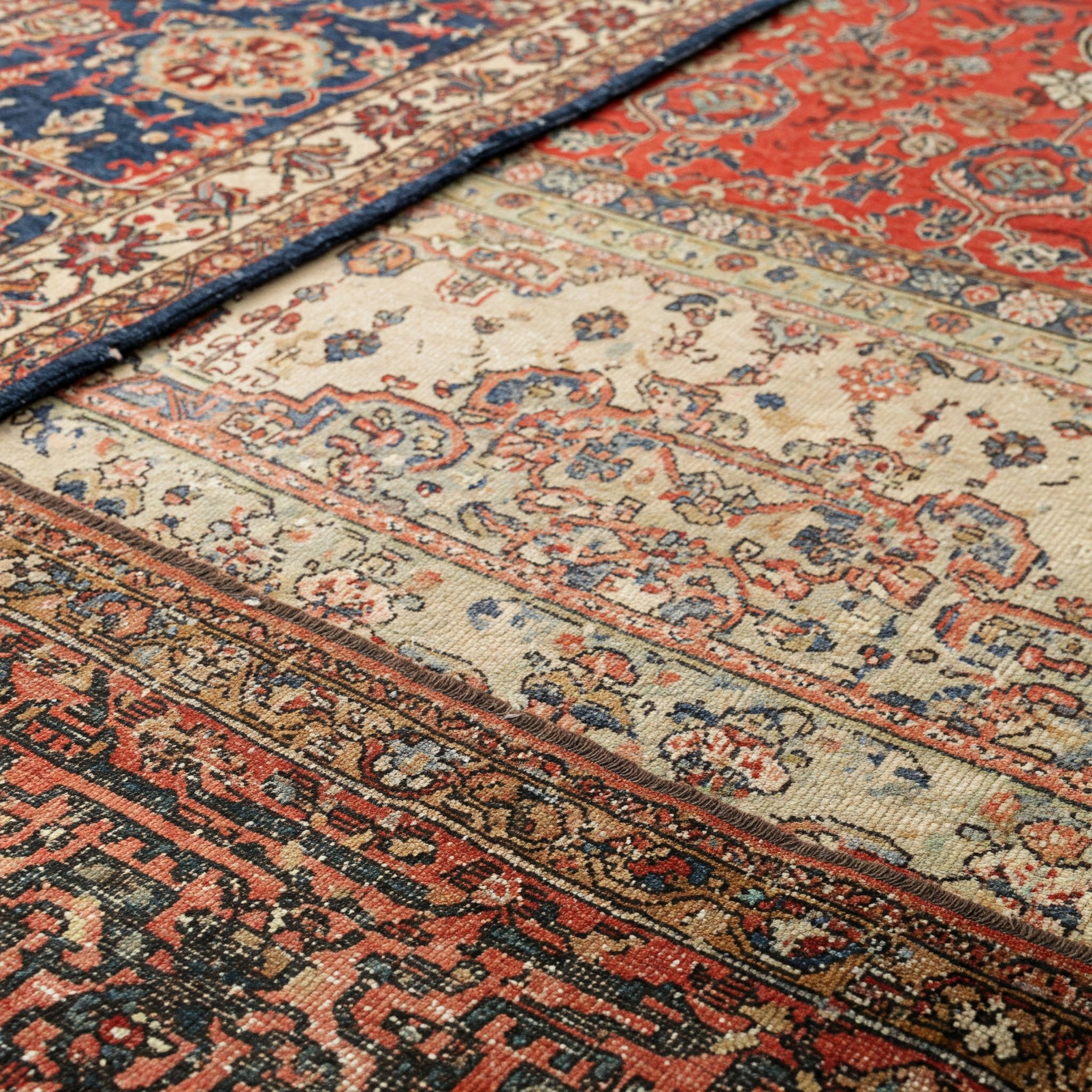
  • The Rich Tradition of Rugs and Carpets Across Cultures: Turkish, Persian, Indian, and Beyond

    Rugs and carpets have been an integral part of human culture for centuries, transcending mere functionality to become cherished symbols of tradition, art, and social status. From the intricate patterns of Turkish kilims to the mesmerizing floral designs of Persian carpets and the vibrant motifs of Indian dhurries, these textiles offer a unique glimpse into the history and aesthetics of diverse civilizations. This blog delves into the distinct styles and cultural significance of rugs and carpets in Turkish, Persian, Indian, and other global traditions.

    Turkish Rugs and Kilims: A Blend of Nomadic Heritage and Ottoman Opulence

    Turkish rugs, especially kilims, are renowned for their geometric designs, rich colors, and symmetrical patterns. Historically, kilims were produced by nomadic tribes, who crafted them for practical purposes such as floor coverings, wall hangings, and even prayer mats. The vibrant colors, often derived from natural dyes, reflect the landscape of Anatolia, with deep reds, blues, and earthy tones commonly dominating the design.

    The motifs in Turkish kilims carry deep symbolic meanings. For example, the elibelinde pattern, resembling a stylized female figure, symbolizes fertility, while the koçboynuzu (ram’s horn) represents power and masculinity. These motifs were often woven by women, embedding personal stories and cultural values into each piece.

    During the Ottoman Empire, Turkish carpets evolved, with palace workshops producing more luxurious carpets using silk and wool, often incorporating floral patterns influenced by Persian designs. The iconic Hereke silk carpets, woven with the finest materials and exceptional craftsmanship, became a symbol of Ottoman grandeur and were often used to adorn palaces and mosques.

    Persian Carpets: The Pinnacle of Craftsmanship and Artistic Expression

    When discussing carpets, Persian rugs are often regarded as the epitome of luxury and craftsmanship. Known for their intricate floral and arabesque patterns, Persian rugs often feature medallions, vines, and paisley (boteh) motifs. The detailed designs reflect the high level of artistry and precision that Persian weavers have cultivated for centuries.

    Historically, Persian carpets have been a symbol of wealth and status. The Safavid Dynasty (16th-18th centuries) is often considered the golden age of Persian carpet weaving, where royal patronage allowed for the production of stunning silk carpets, often adorned with gold and silver threads. The cities of Isfahan, Tabriz, and Kashan became renowned centers for producing these works of art.

    The materials used in Persian carpets are also noteworthy. Wool, silk, and sometimes cotton are meticulously woven using the Persian knot, which is tighter and allows for more intricate designs compared to the Turkish knot. Persian carpets are not only admired for their aesthetic appeal but also for their durability, often passed down as heirlooms for generations.

    In Persian culture, carpets are also deeply symbolic. For instance, the famous Tree of Life motif represents immortality and paradise, reflecting the spiritual connection many Persians hold with their rugs, not just as decorative items but as objects imbued with deeper meaning.

    Indian Rugs and Dhurries: A Fusion of Local Craft and Mughal Grandeur

    Indian rugs have a rich history, heavily influenced by the Mughal Empire, which brought Persian artisans and weavers to India in the 16th century. This cultural exchange resulted in Indian carpets that combine Persian techniques with local materials and designs.

    One of the most famous styles is the Mughal carpet, which often features elaborate floral motifs, scrolling vines, and medallions, similar to Persian designs but with a distinct Indian flair. Indian weavers also incorporated local symbols such as the peacock, the national bird of India, and lotus flowers, which hold spiritual significance in Hinduism and Buddhism.

    Aside from high-end Mughal carpets, India is also famous for its dhurries, flat-woven rugs that are lighter and more versatile. Traditionally made in rural villages, dhurries come in bold colors and simple, geometric patterns. They are often used as floor coverings, bedding, or even ceremonial decorations. In Indian homes, dhurries are valued for their practicality, durability, and affordability, making them a common sight in households across the country.

    In both Mughal carpets and dhurries, color plays a crucial role. The use of indigo, saffron, and madder root for dyes creates vibrant hues that are both eye-catching and reflective of India’s natural landscape. These carpets and rugs are not just decorative items; they often reflect the cultural identity and spiritual beliefs of the region in which they are made.

    Other Cultures: Moroccan, Navajo, and Tibetan Rugs

    Beyond the Turkish, Persian, and Indian traditions, many other cultures also have rich histories of rug-making, each with its own unique style and meaning.

    • Moroccan Rugs: Moroccan rugs, particularly Berber carpets, are known for their minimalist designs, often featuring simple geometric patterns in neutral colors. These rugs are typically made from wool and are prized for their thick, plush texture. In Berber culture, the symbols woven into the rugs often represent protection, fertility, and tribal identity.
    • Navajo Rugs: In the American Southwest, Navajo rugs are famous for their bold, geometric patterns and earthy colors. Navajo weavers traditionally use wool and employ techniques passed down through generations. The designs often carry cultural meanings, with motifs symbolizing elements of nature like mountains and rivers, reflecting the Navajo people’s connection to the land.
    • Tibetan Rugs: Tibetan rugs are known for their bold colors and religious symbolism. Traditionally, they were used in Buddhist temples and monasteries, often depicting symbols like dragons, lotus flowers, and clouds, representing protection and spiritual awakening. The use of highland wool gives Tibetan rugs a unique softness and durability.

    Conclusion: A Global Tapestry of Tradition and Artistry

    Rugs and carpets are more than just floor coverings—they are woven narratives that tell stories of cultural heritage, artistic evolution, and human connection. From the geometric patterns of Turkish kilims to the floral elegance of Persian carpets, the vibrant colors of Indian dhurries, and the minimalist beauty of Moroccan rugs, each style reflects the values, beliefs, and artistry of the people who create them. These textiles serve not only as functional objects but also as cultural artifacts, preserving traditions and artistry for future generations.

    As modern design trends evolve, rugs from these various cultures continue to inspire, bringing a piece of history and craftsmanship into contemporary homes across the world. Whether used for decoration, comfort, or spiritual connection, the universal appeal of rugs and carpets lies in their ability to bridge the past and the present, connecting us to the rich tapestry of global traditions.

WhatsApp Telegram Signal Yandex Chat